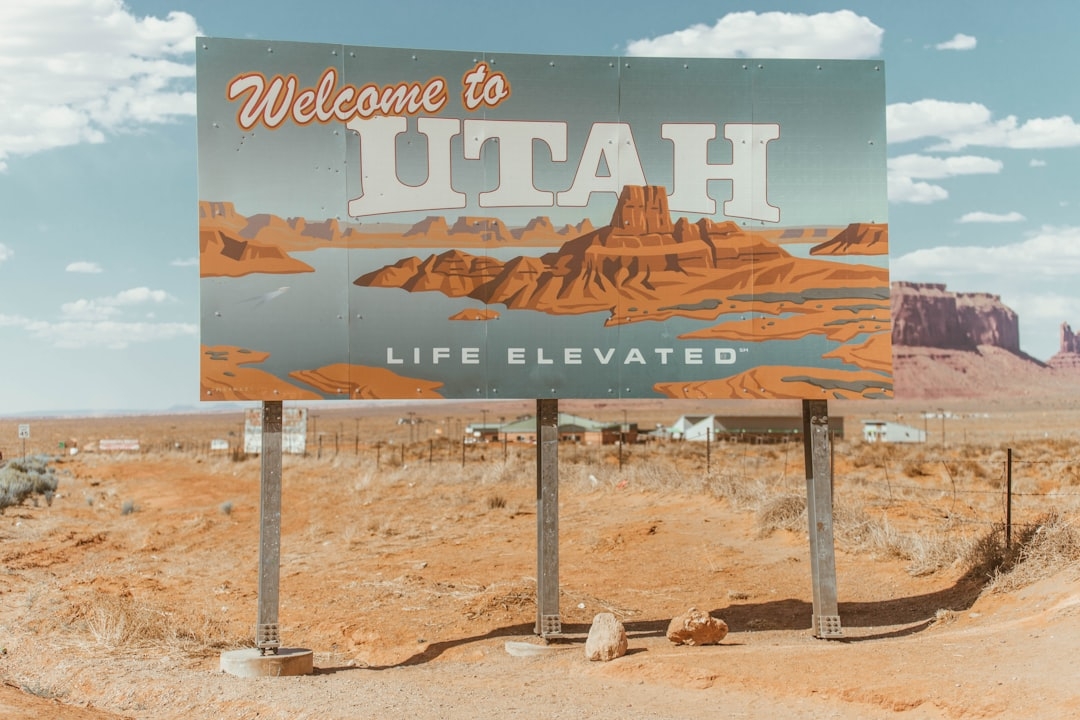
The Utah Medical Cannabis Program is like a map for patients. It helps them navigate the process of getting legal access to medical cannabis. First things first, patients need to know if they have a qualifying condition. Conditions include things like chronic pain, PTSD, and epilepsy, among others. Once you’ve got that figured out, the next step is to get a recommendation from a qualified medical provider. This isn’t just any doctor; they need to be registered with the Utah Department of Health to recommend cannabis.
Key Steps in the Process:
After the doctor gives the thumbs up, patients have to apply for a Medical Cannabis Card. This is done through an online system. It’s pretty straightforward, but people often forget to double-check all the details. Spelling errors or missing documents can slow things down. Once the application is submitted, the state reviews it, and if everything's in order, they issue the card. This card is your golden ticket, allowing you to purchase medical cannabis from licensed dispensaries in Utah.
It’s not just about checking boxes, though. The whole process ensures that patients are using cannabis legally and safely. It keeps everything above board. Skipping steps or providing false information can mean delays or even denial of your card. And without it, you can’t legally buy or use medical cannabis in Utah. So, it’s worth the effort to get it right. The program’s rules might seem like a hassle, but they protect everyone involved—patients, providers, and the community.
In Utah, not just anyone can get a medical cannabis card. You need to have a specific medical condition that the state recognizes. Let's break down some of these conditions. Chronic pain is a big one—it’s a catch-all for many people suffering from ongoing discomfort that doesn’t go away. Then there's PTSD, which is recognized due to its severe impact on mental health. If you’ve got cancer, medical cannabis can help manage symptoms and side effects related to treatment.
Multiple sclerosis and epilepsy are also on the list. These neurological disorders can cause significant distress, and cannabis might help manage symptoms. HIV/AIDS is included because cannabis may help with appetite loss and pain management. If you have a terminal illness with a life expectancy of less than six months, you might qualify too.
Conditions that Qualify for Medical Cannabis:
Crohn’s disease and ulcerative colitis are gastrointestinal conditions that cause inflammation and pain, making them eligible. Autism, particularly if it involves self-injurious or aggressive behavior, is also covered. Rare conditions like amyotrophic lateral sclerosis (ALS) and Huntington’s disease qualify due to their severe symptoms.
It’s crucial to have documented proof from a healthcare provider for any of these conditions. Without it, getting certified is a no-go. People often mess up by not having the right documentation or by misunderstanding what conditions are covered. If you’re not eligible, applying is just a waste of time. But if you are, make sure you get your paperwork in order. That’s the first step towards legal access to medical cannabis in Utah.
To start the process of obtaining a Utah Medical Cannabis Card, patients need to find an authorized medical provider. Utah’s Department of Health maintains an online directory where patients can search for qualified medical professionals. This directory is regularly updated and includes contact information for each provider. It’s important to verify that the provider is still actively participating in the program as not all doctors are eligible to recommend medical cannabis. Patients should also consider proximity and accessibility when selecting a provider to ensure convenience for follow-up visits.
Once a suitable provider has been identified, the next step is scheduling an appointment. Patients should be prepared to discuss their medical history and current health conditions in detail. It’s crucial to be honest and thorough during this consultation, as the provider needs a clear understanding of the patient’s situation to determine eligibility. Appointments can vary in length, so it's wise to inquire about what to expect during the initial call. Missing or being late to appointments can delay the certification process, so punctuality is important.
Patients must bring specific documentation to their appointment for the certification process. This typically includes medical records that detail the qualifying condition, any previous treatments, and medications currently being used. It may also be necessary to provide proof of residency in Utah. Incomplete or missing documents can result in delays or even denial of certification, so patients should double-check requirements before visiting the provider. Keeping these documents organized and accessible will facilitate a smoother process.
During the appointment, the medical provider will evaluate the patient's health condition to determine eligibility for medical cannabis use. This evaluation is based on a combination of medical history, current symptoms, and any previous treatments. The provider's role is to ensure that medical cannabis is a suitable option for managing the patient’s condition. If the provider concludes that cannabis is appropriate, they will issue a recommendation. However, if they find it unsuitable, they may suggest alternative treatments or specialists.
A St. George medical cannabis card search is useful for southern Utah patients who want regulated access without guessing where to start.After receiving a recommendation, the next step is submitting an application for the medical cannabis card through the Utah Department of Health. This includes uploading the provider’s recommendation and any required documents. The application process can take several weeks, depending on the completeness and accuracy of the submitted information. Patients should be aware that errors or omissions can lead to processing delays or denials, so careful attention to detail is essential. Once approved, the card allows legal access to medical cannabis dispensaries in Utah.
To get certified for a Utah Medical Cannabis Card, there are specific steps you need to follow. First, make sure you have a qualifying condition. Utah has a list of conditions that qualify, like chronic pain or epilepsy. Check that list. If your condition is on there, you can move forward. Next, you need to find a Qualified Medical Provider (QMP). These are the folks authorized by the state to recommend cannabis. Not every doctor can do this, so you’ll need to find one who can.
If approved, you'll receive your card electronically. This card is what allows you to legally purchase and use medical cannabis in Utah. Without it, you’re not in compliance with state law, and that can lead to legal issues. It’s a process, sure, but each step is important to ensure you’re following the state’s guidelines. Missing a step can mean starting over or facing issues with legality.
Key Points to Remember:
Once you have a QMP, schedule an appointment. Come prepared with your medical history and any documentation. During the appointment, the QMP will evaluate whether medical cannabis might be a good option for you. If they think it is, they’ll issue a recommendation. This is not the same as a prescription, but it’s crucial for the next step.
After you’ve got your recommendation, you apply for a Medical Cannabis Card through the Utah Department of Health and Human Services. This part is online. You’ll need to create an account, fill out the application, and pay a fee. Double-check everything before submitting. Errors can delay the process.

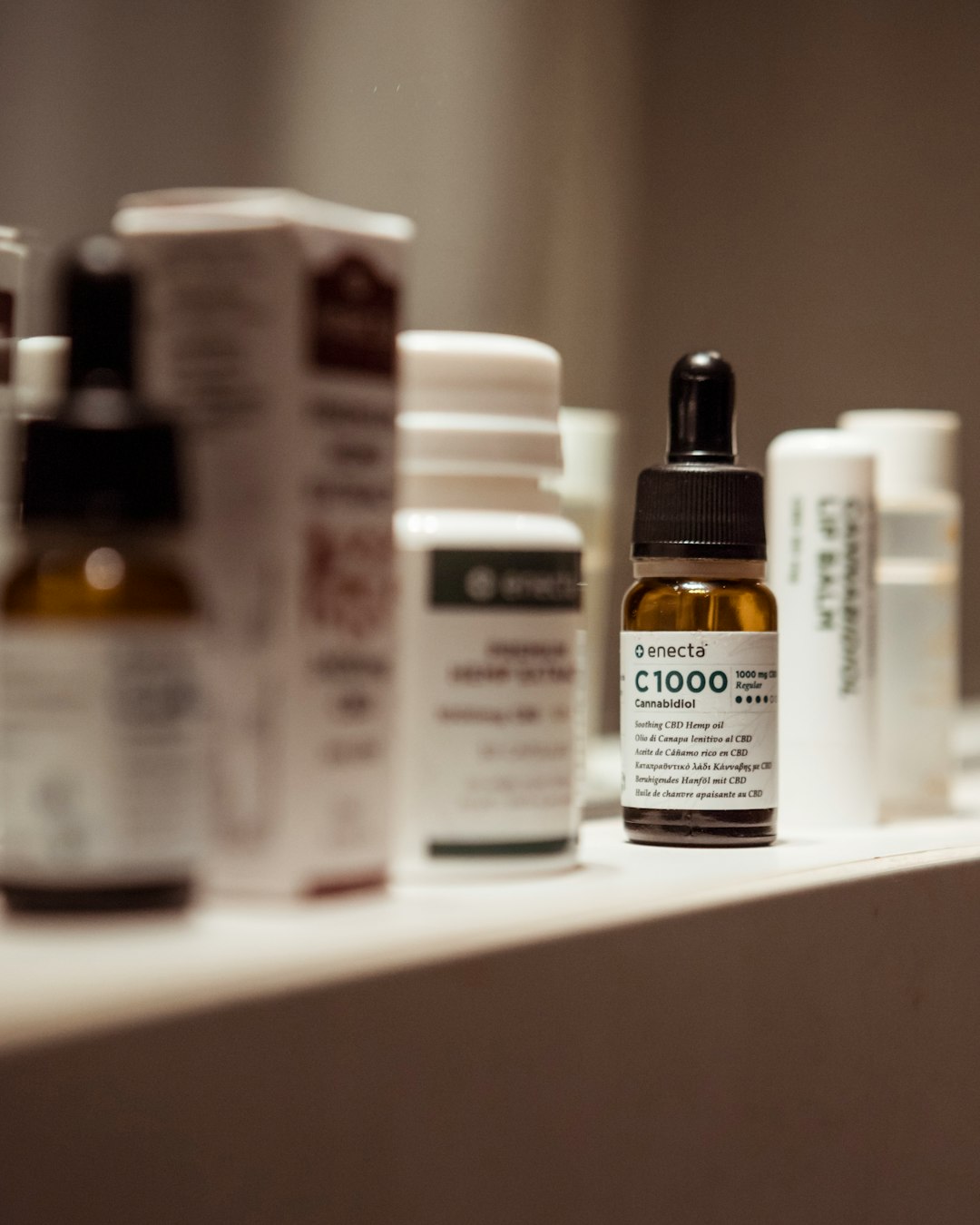

To get a Medical Cannabis Card in Utah, you’ll need to follow a series of steps. First, make sure you have one of the qualifying conditions, like chronic pain or PTSD. Got that? Good. Next, you need to find a qualified medical provider. Not just any doctor will do; they need to be registered with the Utah Department of Health to recommend medical cannabis. Once you’ve got that appointment set up, they’ll evaluate you to see if you meet the criteria. If they think you do, they’ll issue a recommendation.
Important Steps:
After that, it’s time to apply for the card through the Utah Department of Health’s Electronic Verification System. Online application. Pretty straightforward. You’ll need to upload your medical provider’s recommendation, your personal information, and a valid ID. Pay the application fee while you’re at it. This part is crucial. Without it, your application won't go anywhere.
Common mistakes? Forgetting to include necessary documents or submitting incomplete applications. Double-check everything. If your application is missing info, it’ll delay the whole process. And that’s frustrating when you’re waiting for access to treatment.
Once your application is approved, you’ll get your card, usually within a couple of weeks. But here’s the thing: keep it updated. The card expires, and you’ll need to renew it regularly. If you let it lapse, you’re out of luck until it’s renewed. And remember, having the card doesn’t mean you can use cannabis anywhere or anyhow you like. Follow state regulations to the letter to avoid legal issues.
To get a Utah Medical Cannabis Card, it's not just about wanting one. You've got to jump through some hoops. First, you need a qualifying condition. We're talking about conditions like chronic pain, PTSD, or cancer. Can't just say you have a headache and call it a day. Once you've got that, you need to see a qualified medical provider. This isn't just any doctor. It's got to be someone registered with the Utah Department of Health and Human Services. They’ll evaluate you and decide if medical cannabis could help with your condition. It's a professional assessment, not just a quick chat.
After your evaluation, if the provider gives you the thumbs up, they'll certify you in the state's electronic verification system. This step is key. If they don’t do it, you can't move forward. Then, you apply for the card through the state’s Medical Cannabis Program. There's a fee, of course, because nothing in life is free. Make sure your application is complete and accurate. Missing info can delay things. A Utah medical cannabis recommendation is part of the card process, and no, your friend recommending a gummy brand does not count. And keep an eye on the expiration date. Your card isn't forever. It needs renewal, usually every six months.
If you skip these steps or mess up, you're out of luck. No card means no legal access to medical cannabis. And using it without a card? That could land you in some legal trouble. So, it’s crucial to follow the process carefully. It’s about staying on the right side of the law and ensuring you’re doing what's best for your health.
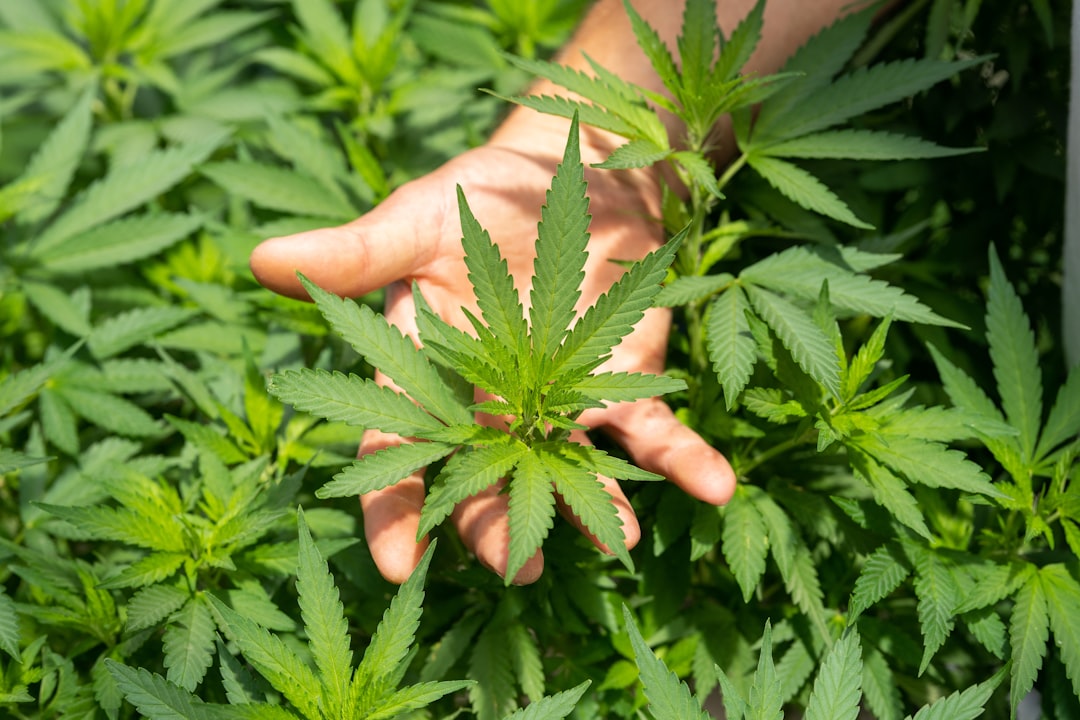
Renewing your Medical Cannabis Card in Utah isn't just a one-time task. You’ve got to keep track of it to maintain legal compliance. That card isn’t permanent. It’s typically valid for six months, so ensure you check the expiration date and begin the renewal process at least a month before it expires. If you let it lapse, you risk losing the legal right to use cannabis for your condition.
Now, let’s discuss changes in your medical condition. They are important. If your health situation changes, it could affect your eligibility. For instance, if your condition improves or you’re diagnosed with something new, you’ll need to update your information with the Utah Department of Health. Keeping them informed is crucial.
For renewal, you’ll need to visit a qualified medical provider again. They’ll evaluate your current health status and confirm whether you still qualify for medical cannabis use. Don’t skip this step. It's mandatory. If you don’t do it properly, you might end up without access to your medication, which is not a good situation to be in.
Some people mistakenly assume the renewal is automatic. It’s not. You’ve got to be proactive. Getting caught with an expired card can lead to legal issues. So, mark your calendar, keep your medical records updated, and ensure your provider supports your ongoing treatment. It’s not complicated, but it does require attention. Stay informed, and you’ll keep your access uninterrupted.
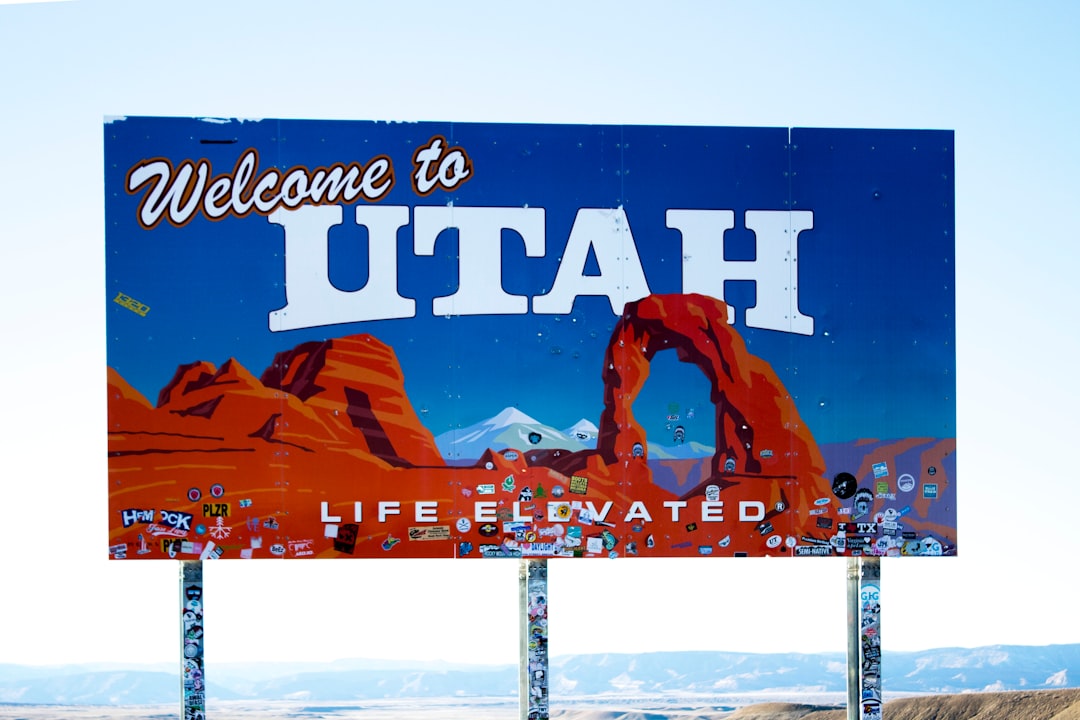
When you're looking into medical cannabis for treatment, the process to get certified in Utah involves a few key steps. First up, you need a treatment plan. This plan isn't just a fancy term—it's a roadmap for how cannabis might help with your specific condition. You'll sit down with a qualified medical provider who knows their stuff about cannabis. They'll help you figure out if cannabis is the right path for you and, if it is, what kind of dosage makes sense.
Dosage is a big deal. Too little and you might not feel any benefit. Too much and you could face unwanted side effects. So, the provider will consider your medical history, current medications, and your specific health issues to tailor a dosage that should work best for you. It’s not a one-size-fits-all kind of thing. This is important because cannabis affects everyone differently.
Now, you might wonder why all these steps are necessary. Well, it’s about staying on the right side of the law and making sure you’re using cannabis safely. Skipping steps or guessing at dosage can lead to ineffective treatment or even legal trouble. Missteps here could mean your application gets denied, or worse, you end up using cannabis in a way that’s not safe or beneficial.
So, take the time to get it right. This process ensures that when you do use medical cannabis, it’s legal and it’s likely to help rather than hinder. It’s a smart way to ensure the treatment fits your needs.
Utah has a structured process for patients to get certified for medical cannabis use, and it all starts with understanding the resources available to you. First, you need to know about the Utah Department of Health's website. It's a goldmine for all things related to medical cannabis. They provide a detailed guide on the steps to get your Medical Cannabis Card. You’ll find info on qualifying conditions like chronic pain, PTSD, and cancer, just to name a few.
Next, you should connect with a qualified medical provider. They’re the ones who can evaluate your condition and determine if medical cannabis is suitable for you. It’s not just about getting approval; it’s about ensuring cannabis is the right treatment option. Beware, some folks skip this step or choose providers not registered with the state. That’s a mistake. Only registered providers can certify you for a card.
A Utah medical cannabis card can make cannabis shopping clearer, safer, and more official, which is basically the opposite of buying something from a guy named “Moose.”Key Steps in the Certification Process:
Once you have a recommendation, you submit your application through the state’s online portal. It’s pretty straightforward, but make sure all your info matches your medical records. A mismatch can delay things. Pay attention to details like the expiration of your recommendation, as it’s valid for a limited time.
If you don’t follow these steps correctly, you risk delays or denial of your application. And that’s frustrating when you’re dealing with health concerns. So, use the resources available, ask questions, and double-check your application. It’s all about making sure you’re compliant with state regulations and confirming your eligibility for medical cannabis use.
Trying to get a medical cannabis card in Utah can feel like another adult paperwork adventure, but the process is less dramatic than assembling furniture with missing screws. Qualified Utah residents begin by using the state’s online medical cannabis system to create an account.
After that, a provider reviews your health history to determine whether you qualify for a Utah medical cannabis card. If approved, the provider submits the certification in EVS, which moves the process forward. In other words, “my cousin said I qualify” is not exactly state documentation.
Once your Utah medical cannabis card is approved, you can download it from EVS. Patients must show a Utah medical cannabis card plus identification when visiting a medical cannabis pharmacy in Utah. This helps keep the process safe, legal, and regulated.
A Utah medical cannabis card can help qualified patients access medical cannabis products with support from trained pharmacy staff. Whether someone is renewing a medical cannabis card in Utah, the best approach is to ask questions, follow Utah’s process, and start carefully. Because when it comes to cannabis, “start low and go slow” beats “let’s see what happens” every time.
In the USA, cannabis is legal in 41 of 50 states for medical use and 24 states for recreational usage. At the federal level, marijuana is generally identified as a Schedule I medicine under the Controlled Substances Act, figured out to have a high possibility for misuse. Nonetheless, qualified medical cannabis is categorized as Set up III, showing its medical use and reduced abuse potential, while unlicensed cannabis products continue to be Arrange I substances. Regardless of these prohibitions, government law is generally not imposed versus the ownership, farming, or intrastate distribution of marijuana in states where such task has actually been legalized. In April 2024 during the Biden management, the Division of Justice initiated a procedure to reschedule cannabis to the less-restrictive Set up III. Executive Order 14370, issued December 18, 2025 during the second Trump management, accelerated the procedure of rescheduling. The clinical use of cannabis is legal with a clinical referral in 41 states, 4 out of five completely occupied U. S. areas, and the federal District of Columbia (D. C. ). Ten various other states have laws that restrict the psychedelic compound tetrahydrocannabinol (THC), for the function of permitting access to items rich in cannabidiol (CBD), a non-intoxicating part of marijuana. The Rohrabacher–-- Farr change, initial passed in 2014, bans government prosecution of people abiding by state clinical cannabis regulations. The recreational use cannabis has actually been legalized in 24 states, 3 U. S. regions, and D. C. One more seven states have legalized its usage. Industrial circulation has been legalized in all territories where property has been legalized, besides Virginia and D. C. Personal cultivation for recreational use is allowed every one of these jurisdictions with the exception of Delaware, Illinois, New Jersey, and Washington state. Cannabinoid drugs which have received authorization from the Food and Drug Administration (FDA) for prescription use are Marinol and Syndros (artificial THC is the energetic ingredient in both), Cesamet (nabilone), and Epidiolex (CBD). For non-prescription use, items with less than 0. 3% delta-9 THC having CBD, delta-8 THC, and various other normally occurring cannabinoids stemmed from hemp (marijuana having much less than 0. 3% delta-9 THC) are legal and uncontrolled at the government degree, yet legitimacy and enforcement differs by state. Statewide legalisation of entertainment marijuana showed up on the tally for the 2024 political elections as 2024 Florida Amendment 3, and in North and South Dakota. It stopped working to pass in all 3 states. Nebraskans decided on a tally measure related to medical marijuana the same day, which passed.
.