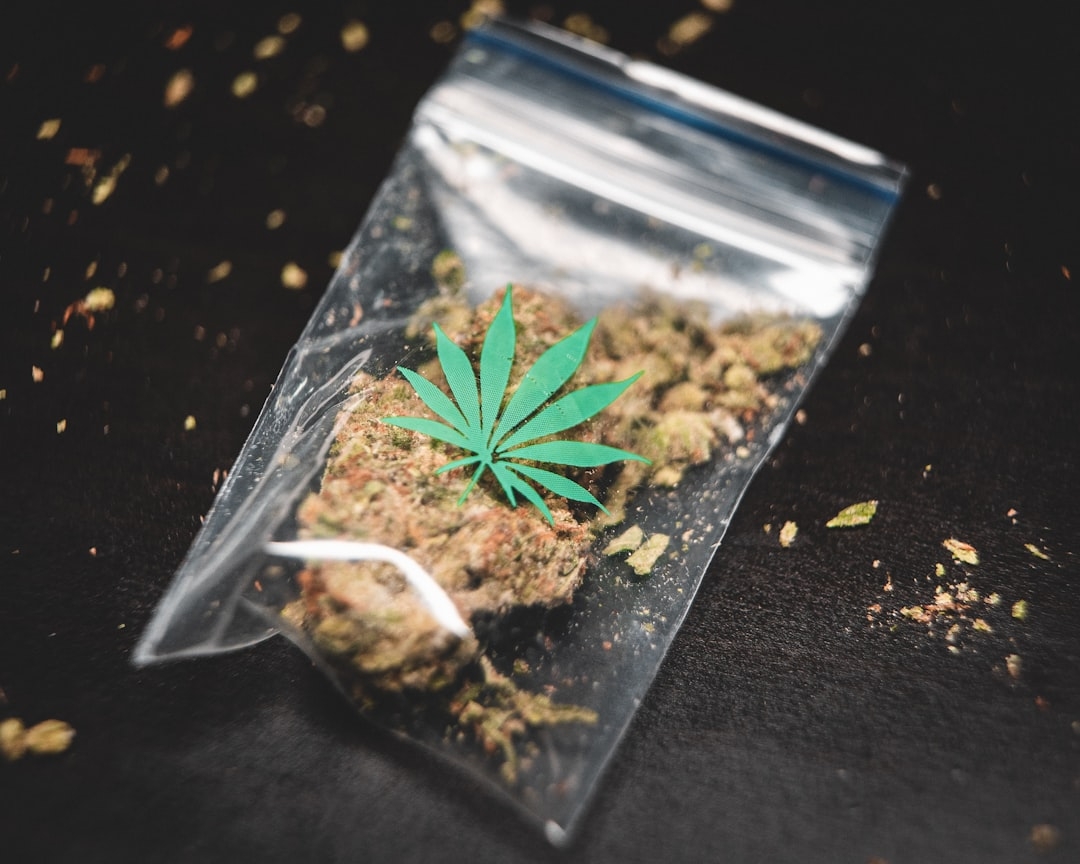
When you're looking to get a Medical Cannabis Card in Utah, reviewing your medical documentation is a critical step. It's not just about having a stack of papers; it’s about proving you have the qualifying health conditions that meet the state's criteria. So, what do you need to do? First, make sure your medical records are up-to-date and clearly show the conditions you’re dealing with. Chronic pain, PTSD, epilepsy, and several other conditions listed by the state can make you eligible. But here's the catch—these conditions need to be well-documented by a licensed healthcare provider.
Important Facts:
The process involves gathering records from your doctor or medical facility. This includes notes from visits, diagnoses, treatment plans, and any medications you've been prescribed. These documents are then reviewed by a qualified medical professional who will determine if you meet the eligibility requirements. It's not just a rubber stamp process; they’re looking for clear evidence of your condition.
Some common mistakes? Submitting incomplete records or outdated information. This can delay the process or even lead to a denial. Make sure everything is current and comprehensive. If you don't provide thorough documentation, you risk not getting approved, which means no legal access to medical cannabis.
It's all about making sure everything lines up with what’s required. If done right, this review process validates your eligibility, ensuring you can legally access the treatment you need. If you skip steps or submit insufficient info, you're just setting yourself up for hassle. So, do it right the first time.
Utah's got its own set of rules when it comes to medical cannabis, and understanding them is crucial if you're aiming to get a Medical Cannabis Card. The state has a list of qualifying conditions, and your medical documentation plays a big role in proving you meet one of those. Think chronic pain, PTSD, or epilepsy, among others. But it's not just about having a diagnosis. Your medical records need to back it up, showing a consistent history of the condition.
Key Points to Remember:
The review process for these documents isn't just a formality. It's about making sure that the patient genuinely needs cannabis for medical reasons. If you're not careful, submitting incomplete or inaccurate records can lead to delays or even denial of your application. So, it's important to gather comprehensive medical records before you apply. This includes doctor’s notes, test results, and any relevant treatment history.
If you skip this step or don't do it right, you might find yourself stuck in a loop of re-submitting paperwork. And that's frustrating. Plus, it could mean more waiting time before you can legally access cannabis. The state wants to ensure compliance with the qualifying criteria, and that protects both the patient and the integrity of the program. So, take the time to double-check everything. Make sure your paperwork is in order before you hit submit. It's worth the effort to avoid hiccups down the line.
Chronic pain is one of the most common conditions evaluated for medical cannabis eligibility. Patients must provide comprehensive medical documentation showing a history of persistent pain that has not responded well to traditional treatments. This documentation often includes diagnostic imaging, physician notes, and previous treatment records. It's critical to demonstrate that the pain significantly impacts daily life and that other interventions have failed. Without thorough records, proving the chronic nature of pain can be challenging, potentially delaying approval.
Mental health conditions like PTSD and severe anxiety are also considered for cannabis eligibility.
Conditions such as epilepsy and multiple sclerosis are evaluated with a focus on neurological symptoms. Medical records should reflect a clear diagnosis and document the frequency and severity of episodes or symptoms. Physicians often look for evidence of how traditional medications have been ineffective or caused significant side effects. Accurate, detailed records are crucial since they can demonstrate the necessity for alternative treatments like cannabis. Missing information may lead to delays or denials in the approval process.
For cancer patients, medical cannabis can be considered to alleviate symptoms related to the disease or its treatment, such as nausea and pain. Eligibility requires documentation from oncologists outlining the diagnosis, stage, and treatments undergone. Records should also highlight any side effects from chemotherapy or radiation that could be mitigated by cannabis. Ensuring these documents are up-to-date and thorough is vital for a smooth review process, as incomplete records might not clearly convey the need for cannabis intervention.
Appetite loss, especially when linked to chronic illness or treatment, is another condition that may warrant cannabis consideration. Documentation should include physician notes that discuss the underlying cause and previous attempts to manage the issue. This might involve dietary logs, weight charts, and treatment plans that have been tried. Proper documentation is key to illustrating the impact on health and quality of life, as insufficient records may make it difficult to justify cannabis as a necessary treatment option.
When you're gathering your medical records for a cannabis card, you need to be precise. First off, you need documents that clearly outline your diagnosed conditions. This isn't just about grabbing any old paper from your doctor; it's about showing a clear medical history relevant to the qualifying conditions for cannabis use. Usually, this means records from the last 12 months. Think about it like this: these documents are your evidence. They prove to the state that you meet the criteria they’ve set out.
If you don't present your records correctly, it could delay or even prevent your approval. So, take the time to organize them well. It's not just about ticking a box; it's about ensuring your application tells the full story of your health needs. Proper documentation ensures that the process is as smooth as possible.
Key Points to Remember:
You also need to ensure the documentation is up-to-date and legible. Handwritten notes can be tricky, so if possible, get typed records. They’re easier for reviewers to read and understand. And don't forget to include the contact information of your healthcare provider. This helps if there's any need for verification or further clarification.
One common mistake? A Ogden medical cannabis card search can help northern Utah patients explore access without turning healthcare into a road trip. Not having enough detailed information. Vague documentation might not cut it. You want specific references to your condition and how it impacts your daily life. If your medical records don't reflect this, consider getting an updated assessment or letter from your doctor.


Doctors play a critical role in the process of verifying and recommending medical cannabis for patients. It's not just a matter of signing a form.
First, doctors need to review a patient’s medical history thoroughly. They look for documented conditions like chronic pain, PTSD, or other ailments that meet the criteria for cannabis use. This step is crucial because a misstep here could mean recommending cannabis to someone who doesn't actually qualify. This isn’t just a bureaucratic hurdle; it helps maintain the integrity of the program.
Once they confirm eligibility, doctors make the recommendation. They're not prescribing cannabis like they would with traditional medications. Instead, they’re saying, "Based on what I see, you’re a candidate for this." It's a subtle but important distinction. They have to be sure, because if they get it wrong, it reflects poorly on everyone involved and could even lead to legal issues.
Common mistakes? Missing key pieces of a patient's medical history or overlooking details that might disqualify them. This can delay the process or, worse, lead to incorrect recommendations. If the documentation isn't right, it might get rejected, leaving patients without the access they need.
In short, doctors have to be precise and diligent. It's a big responsibility. They’re the gatekeepers, ensuring that only those who truly need medical cannabis get it. And they have to get it right. Every time.
To get your medical cannabis card in Utah, it all starts with the medical documentation review. It's crucial. First, gather all your medical records. This means any documents that show your qualifying health condition. Without these, you can't move forward. People often forget this step or think a simple doctor's note will do. It won't.
Next, you need to consult with a qualified medical provider. Not just any doctor will do. They must be registered with Utah's program. This is non-negotiable. They'll review your records to confirm you meet the state's criteria. It's more than just a quick glance. They check for accuracy and relevance to ensure your condition aligns with what Utah considers eligible.
Once your records check out, your provider will enter your information into the state’s electronic verification system. This is an essential step. If your information isn't in the system, your application stops dead in its tracks. People sometimes think their work is done once they leave the doctor's office. It's not.
Now, this is where timing matters. The next step is to apply online through the Utah Department of Health’s website. Don't delay. The application requires an active recommendation from your provider. If you wait too long, it may expire, and you'll have to start over.
Finally, double-check everything. Errors in your application can lead to delays or even denial. If your application is approved, you'll get your card. This grants you legal access to medical cannabis, ensuring you're compliant with Utah's laws. Skipping steps or rushing can mean going back to square one. So, take your time and do it right.
Reviewing your medical documentation is crucial when applying for a Medical Cannabis Card in Utah. It’s the backbone of your eligibility. Here’s what you need to know to avoid common errors that might hold you back. First, make sure your health condition is clearly documented. This means detailed records from healthcare providers that explain your diagnosis and symptoms. Vague or incomplete records can cause delays or even denials.
Next, double-check that all required documents are included. Missing paperwork is a big reason why applications get stuck. You’ll need medical records, and sometimes additional documentation like physician certifications. Keep everything organized and complete.
Accuracy is key. Any discrepancies in your paperwork can raise flags. Cross-check dates, names, and medical terms. A simple typo can lead to frustrating setbacks.
Timing also matters. Make sure your documents are up-to-date. Old records might not reflect your current health status, which can be a problem. Regularly updating your medical records helps keep things smooth when it’s time to apply.
If errors slip through, it can delay the process significantly. You might have to resubmit documents or provide additional information. This back-and-forth can be time-consuming and stressful.
So, take the time to review everything carefully. It’s worth it to avoid the hassle and get your application approved without unnecessary hurdles. Remember, the goal is to clearly demonstrate that you meet the criteria for medical cannabis use.
To make sure you’re eligible for Utah’s medical cannabis program, you have to get your medical documentation reviewed. It’s not just about having a note from your doctor—it's about making sure your health condition matches the state’s list of qualifying conditions. This step is crucial. Without it, you won’t get your Medical Cannabis Card, and that means no legal access to cannabis.
So, how does this work? You submit your medical records, and they’re evaluated to confirm your condition is on the approved list. This might include chronic pain, PTSD, or other qualifying health issues. It’s not a one-and-done deal, either. You need to keep your records up-to-date. If your condition changes, or if new documentation is required, you’ve got to stay on top of it. Ignoring updates or failing to provide complete records can mess things up. You might lose eligibility or face delays in getting your card renewed.
Common mistakes? People often forget to include all necessary documents or assume verbal confirmation from a doctor is enough. It’s not. Everything has to be documented and submitted properly. Missing paperwork can lead to denial, and nobody wants that hassle.
Why does all this matter? It’s about staying compliant with state laws and ensuring you use cannabis legally. It protects you as a patient and keeps the program running smoothly. So, keep track of your medical records, submit them as required, and make sure they reflect your current health status. It’s about doing it right so you can access the treatment you need without any legal headaches.
Trying to get a medical cannabis card in Utah can feel like another adult paperwork adventure, but the process is less dramatic than assembling furniture with missing screws. Qualified Utah residents begin by using the state’s online medical cannabis system to create an account.
After that, a provider reviews your health history to determine whether you qualify for a Utah medical cannabis card. If approved, the provider submits the certification in EVS, which moves the process forward. In other words, “my cousin said I qualify” is not exactly state documentation.
Once your Utah medical cannabis card is approved, you can download it from EVS. Patients must show a Utah medical cannabis card plus identification when visiting a medical cannabis pharmacy in Utah. This helps keep the process safe, legal, and regulated.
A Utah medical cannabis card can help qualified patients access medical cannabis products with support from trained pharmacy staff. Whether someone is renewing a medical cannabis card in Utah, the best approach is to ask questions, follow Utah’s process, and start carefully. Because when it comes to cannabis, “start low and go slow” beats “let’s see what happens” every time.
In the United States, cannabis is legal in 41 of 50 states for medical use and 24 states for recreational use. At the government level, marijuana is generally classified as a Schedule I medication under the Controlled Substances Act, figured out to have a high possibility for abuse. However, certified clinical cannabis is classified as Set up III, showing its clinical use and reduced abuse possibility, while unlicensed cannabis items stay Arrange I compounds. In spite of these restrictions, federal regulation is usually not imposed against the possession, farming, or intrastate distribution of marijuana in states where such task has actually been legalized. In April 2024 during the Biden management, the Department of Justice launched a process to reschedule cannabis to the less-restrictive Arrange III. Exec Order 14370, released December 18, 2025 during the second Trump administration, expedited the procedure of rescheduling. The medical use cannabis is lawful with a medical referral in 41 states, 4 out of five completely occupied U. S. regions, and the federal Area of Columbia (D. C. ). Ten other states have regulations that limit the psychedelic compound tetrahydrocannabinol (THC), for the purpose of allowing accessibility to items abundant in cannabidiol (CBD), a non-intoxicating part of cannabis. The Rohrabacher–-- Farr amendment, first come on 2014, forbids federal prosecution of individuals complying with state medical cannabis legislations. The entertainment use of cannabis has actually been legalized in 24 states, three U. S. areas, and D. C. One more 7 states have actually decriminalized its usage. Commercial distribution has been legalized in all territories where ownership has been legislated, besides Virginia and D. C. Personal growing for recreational usage is allowed all of these jurisdictions with the exception of Delaware, Illinois, New Jacket, and Washington state. Cannabinoid medicines which have gotten authorization from the Food and Drug Administration (FDA) for prescription use are Marinol and Syndros (synthetic THC is the active ingredient in both), Cesamet (nabilone), and Epidiolex (CBD). For non-prescription usage, products with much less than 0. 3% delta-9 THC containing CBD, delta-8 THC, and various other normally occurring cannabinoids originated from hemp (marijuana containing less than 0. 3% delta-9 THC) are lawful and unregulated at the federal level, however validity and enforcement differs by state. Statewide legalization of recreational cannabis showed up on the ballot for the 2024 political elections as 2024 Florida Change 3, and in North and South Dakota. It stopped working to come on all 3 states. Nebraskans selected a ballot step pertaining to clinical cannabis the same day, which passed.
.